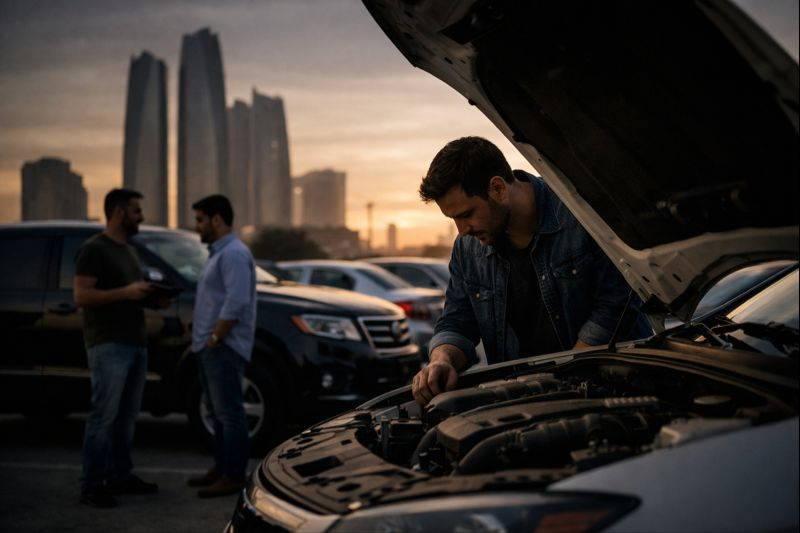

Buying a Used Car from a Private Seller in Abu Dhabi
Purchasing a used car from a private seller in Abu Dhabi can be an exciting experience, but it requires careful planning and consideration. Unlike buying from a dealership, the process with a private seller is often less formal, which means you have more room for negotiation. However, it also means you must take extra steps to ensure you get a fair deal. Whether you’re looking for a reliable vehicle or trying to sell your car, understanding the process is key to making a smart choice.
The Advantages of Buying a Used Car from a Private Seller
Buying a used car from a private seller comes with several benefits. The first and most obvious is cost. Private sellers typically offer their cars at lower prices compared to dealerships. The reason for this is simple: private sellers don’t have the overhead costs of a dealership. As a result, you can often get a better deal for the same make and model.
Another advantage is the potential for finding well-maintained cars. Many private sellers take great care of their vehicles, and you can often trace the car’s history by asking the seller about it. Unlike dealerships, where cars may be resold multiple times, private sellers usually keep their vehicles for a longer period. If you’re looking for a specific model or have a particular budget, a private seller might offer you the best match.
However, with these benefits come some risks. Private sellers are not obligated to follow the same regulations as dealerships. This can lead to situations where the car may not be as advertised or has hidden issues. For this reason, it’s crucial to do your homework before committing to a purchase.
Researching the Vehicle’s History
Before making any decisions, research the history of the car. In the UAE, the Abu Dhabi Traffic Department provides a system to check a vehicle’s registration details and history. This service allows you to verify whether the car has been involved in accidents, whether it’s been properly maintained, or if there are any legal issues associated with it. A legitimate seller will not hesitate to provide you with this information.
You should also inquire about the car’s maintenance records. A well-maintained car can save you money in the long run by avoiding costly repairs. Ask the seller for receipts of any repairs or upgrades made to the car, such as new tires, brake pads, or engine work. This is essential because cars that are not well-maintained can quickly become a financial burden.
Inspecting the Car Yourself
One of the most important steps when buying a used car from a private seller is inspecting the car in person. It’s crucial to look at the exterior and interior to check for any signs of damage, rust, or wear and tear. Pay special attention to the tires, the car’s paint job, and the condition of the seats and dashboard.
If you’re not familiar with cars, consider bringing along a mechanic or a knowledgeable friend. A professional can identify potential issues that may not be immediately obvious to someone without technical experience. If you can, get the car checked by a certified mechanic before making any payment. This step could prevent you from buying a car that requires expensive repairs shortly after the purchase.
Negotiating the Price
One of the most appealing aspects of buying a used car from a private seller is the ability to negotiate the price. Since private sellers don’t have the same overhead costs as dealerships, they are often willing to lower their asking price. However, successful negotiation requires a certain level of knowledge and preparation.
Start by researching the average market price for the model you’re interested in. Websites like iCarsU.com can provide a good idea of what similar cars are selling for in Abu Dhabi. Once you know the going rate, you can approach the negotiation with confidence. If you’ve found issues with the car during your inspection, use those as leverage to lower the price.
When negotiating, try to keep the conversation respectful. Avoid lowball offers that might offend the seller. Instead, focus on the car’s condition and any repairs that may be necessary. A fair, respectful negotiation process will often lead to a deal that benefits both parties.
Finalizing the Deal
Once you and the seller agree on a price, it’s time to finalize the deal. In Abu Dhabi, all vehicles must be transferred through the Abu Dhabi Traffic Department. The seller will need to provide you with the original registration and proof of identity. Make sure that all paperwork is complete and correct before handing over any money.
It’s also important to sign a vehicle transfer agreement to protect both parties. This agreement should detail the car’s condition at the time of sale, the agreed-upon price, and any additional terms. If the seller does not want to sign an agreement, it may raise red flags, so proceed cautiously.
If you are financing the car through a bank or loan company, ensure that the payment process is clear. Private sellers may accept cash, bank transfer, or cheques, but ensure the payment method is safe and secure for both parties. Once payment is made, the car’s title will need to be transferred into your name.
Dealing with the Paperwork
The paperwork involved in buying a used car from a private seller can sometimes feel overwhelming. However, it’s essential to ensure everything is in order. As mentioned earlier, the car’s registration is crucial. The seller should provide you with the vehicle’s registration documents, and you will need to transfer this into your name at the Abu Dhabi Traffic Department.
In addition to the registration, you will also need proof of a valid insurance policy before driving the car off. You can get car insurance from several providers in Abu Dhabi, and it’s always a good idea to compare quotes before making your decision. Your car insurance policy must cover the car for the entire period you plan to own it.
If the car is still under a finance agreement, the seller will need to clear the loan with the bank before transferring the car’s title. This is a crucial step to avoid any legal complications later on. Ensure the seller has no outstanding payments before proceeding with the sale.
Why Selling Your Car Near You Could Be the Best Option
If you find that buying a car from a private seller is not right for you, or if you simply want to upgrade, you might consider selling your own car. If you’re looking to sell my car near me in Abu Dhabi, it’s best to take a few important steps to ensure you get a good price.
Selling a car near you is often quicker than dealing with dealerships. You can sell directly to buyers in your local area, which helps you avoid any middleman costs. Additionally, selling your car locally can save you time and effort in finding a buyer. Use websites like iCarsU.com to list your car and connect with buyers who are interested in vehicles nearby.
When you’re ready to sell, ensure your car is in good condition. Clean it thoroughly, both inside and out, and make any necessary repairs to improve its appearance and functionality. A well-presented car is more likely to fetch a higher price.
Once the car is sold, you can use the proceeds to fund your next purchase. Whether you’re buying a new car or another used vehicle, selling your current car can help you cover the cost of your next ride.
Closing the Deal
Selling your car near you gives you a sense of control over the process. You’ll be able to negotiate the price directly with the buyer and handle the transaction in person. Once the buyer is satisfied with the car’s condition and you agree on a price, finalize the deal by transferring the ownership documents to the buyer.
Be sure to remove your car from the traffic department’s system to ensure you’re no longer liable for the vehicle. After the sale, it’s a good idea to notify your insurance provider that you’ve sold the car to avoid continuing to pay premiums for a vehicle you no longer own.
Whether you’re buying or selling a car, the process in Abu Dhabi is relatively straightforward as long as you follow the correct steps. Ensure that you check the car’s history, inspect it thoroughly, and negotiate a fair price. By doing so, you’ll make a smart, informed decision whether you’re buying a used car from a private seller or looking to sell your own vehicle.
Making the right choice can save you money, time, and effort, ensuring that both your purchase or sale is as smooth as possible.
How can I verify the car’s condition when buying a used car from a private seller in Abu Dhabi?
To verify the condition of a used car in Abu Dhabi, it’s essential to perform a thorough inspection. Look for visible signs of damage on the exterior, such as scratches, dents, or rust. Inspect the tires for wear and check under the hood for any leaks or issues with the engine. If you’re not familiar with cars, it’s wise to bring along a trusted mechanic. Additionally, use the services available through the Abu Dhabi Traffic Department to check the car’s registration and accident history.
What documents should I ask for when buying a used car from a private seller in Abu Dhabi?
When buying a used car from a private seller in Abu Dhabi, always ask for the car’s original registration documents, a copy of the seller’s Emirates ID, and any maintenance records or receipts for repairs. Ensure the car has no outstanding fines or debts by checking the vehicle’s history through official channels like the Abu Dhabi Traffic Department. If the car is under finance, ensure that the seller has cleared the loan before proceeding.
Can I sell my car near me in Abu Dhabi if it has outstanding payments?
If you have outstanding payments on your car, you can still sell it, but you’ll need to pay off the remaining balance before transferring ownership to a new buyer. Both you and the buyer will need to go to the Abu Dhabi Traffic Department to complete the transfer, and the financial institution will need to be involved to clear any pending payments. Be transparent with potential buyers about the loan, as this can affect the sale process.
Is it safe to buy a used car from a private seller near me in Abu Dhabi without a warranty?
Buying a used car from a private seller without a warranty can be riskier than purchasing from a dealership, as private sellers are not legally required to provide warranties. However, you can reduce the risk by performing a thorough inspection, verifying the car’s history through official channels like the Abu Dhabi Traffic Department, and having a mechanic check for potential issues. Some private sellers may offer a short-term warranty or guarantee on repairs, so it’s worth asking.
How can I negotiate the best price when buying a used car from a private seller in Abu Dhabi?
To negotiate the best price when buying a used car from a private seller, start by researching the market value of the car using websites like iCarsU.com. When inspecting the car, note any issues or repairs that might lower its value, and use these as leverage during negotiations. Be respectful in your approach and try to reach a fair price that works for both parties. The more informed you are, the better your chances of securing a good deal.